


How soil type influences your seed drill settings: getting it right every time
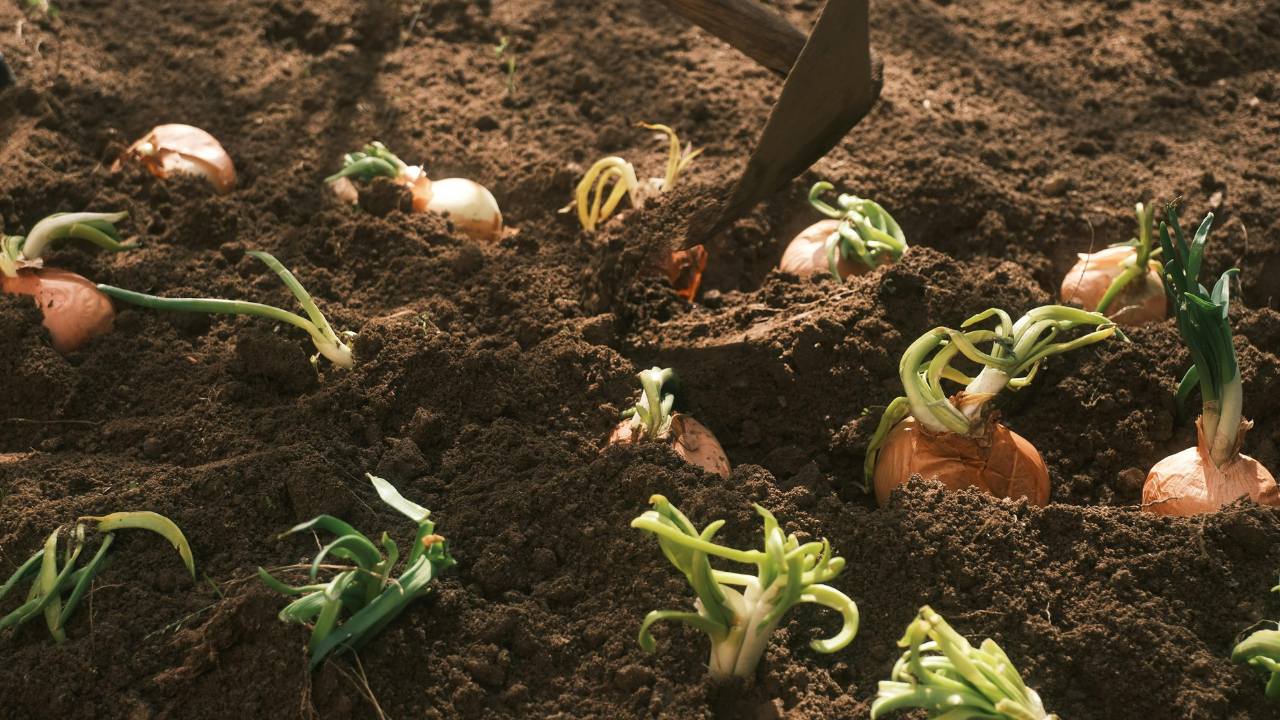
When it comes to precision seeding, every grower knows that consistency matters. Whether you’re drilling onions, carrots, parsnips or brassicas, achieving an even crop starts with accurate seed placement.
One of the biggest factors affecting seed drill performance is the soil itself.
No two fields are exactly the same. Even within a single field, soil conditions can vary significantly from one area to another. Lighter ground may drain quickly and lose moisture, while heavier soils can hold water for longer and create more challenging drilling conditions.
Understanding how different soil types affect your seed drill settings can help improve crop establishment and make the most of every seed planted.
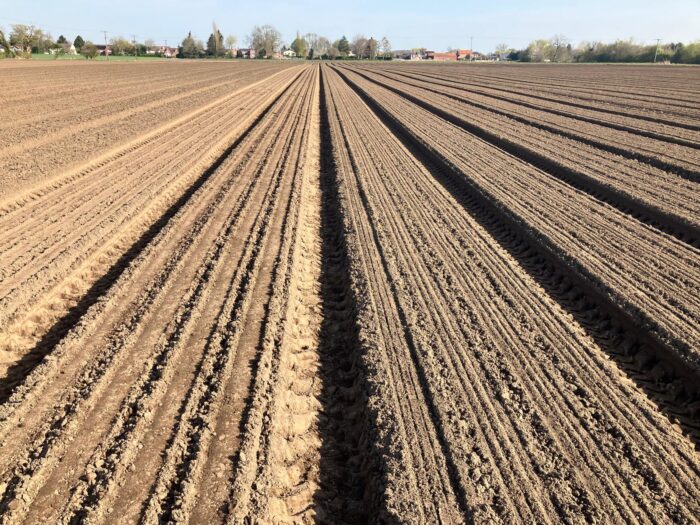
Why soil type affects seed placement
The job of a precision seed drill is simple in theory. Every seed should be placed at the correct depth, with consistent spacing and good contact with the surrounding soil.
In reality, soil conditions can make this much more difficult.
A seed drilled into loose sandy ground behaves differently from one placed into heavier clay. The drill may travel differently through the soil, depth can vary, and the seedbed itself may respond differently after drilling.
This is why accurate depth control and reliable seed metering are so important, particularly when growing high-value vegetable crops where uniform emergence has a direct impact on yield and crop quality.
The precision metering systems used throughout the Stanhay XSeries range are designed to maintain accurate seed singulation across a wide range of crop types and field conditions, helping growers achieve the consistency they need throughout the season.
Drilling into sandy soils
Sandy soils are often easier to work and can allow earlier field access following wet weather. They generally warm up quickly in spring, which can help encourage rapid germination.
The challenge comes when moisture levels begin to fall.
Seeds placed too close to the surface may struggle to access moisture, particularly during dry periods. In very loose seedbeds, maintaining consistent depth can also become more difficult.
When drilling on lighter soils, operators should regularly check:
- Actual seeding depth behind the machine
- Moisture levels within the seed zone
- Seed-to-soil contact after the press wheels have passed
Machines such as the Stanhay X30 are frequently used in demanding vegetable production environments where precise depth placement is essential. Taking the time to verify settings during drilling can make a significant difference to crop establishment.
Working in heavier clay soils
Clay soils bring a different set of challenges.
While they often retain moisture well, they can become difficult to manage when conditions are less than ideal. Drilling into ground that is too wet can lead to smearing around the seed slot, while dry clay can create hard clods that affect depth consistency.
For growers working heavier land, achieving a suitable seedbed before drilling is often just as important as the drill settings themselves.
The robust parallelogram linkage found across the Stanhay XSeries range helps individual units follow ground contours more accurately, allowing consistent seed placement even when field conditions become less uniform.
Regular checks are still essential. Digging behind the machine and confirming seed depth remains one of the simplest ways to ensure settings are delivering the desired result.
Mixed soil conditions across the field
Many vegetable growers do not have the luxury of farming a single soil type.
A field may contain lighter patches, heavier areas and changes in moisture levels, all within a relatively short distance. This variation can affect drilling performance throughout the day.
The flexibility built into Stanhay’s precision seed drills allows operators to make adjustments that suit changing field conditions. Combined with the wide range of metering options available, growers can optimise machine performance for specific crops while maintaining accurate seed placement.
This adaptability is one reason why Stanhay drills are used around the world for precision vegetable seeding.
How forward speed can influence drilling performance
When conditions are good, it can be tempting to increase working speed.
However, soil type often determines how quickly a machine can operate while maintaining accurate seed placement.
On rougher ground or heavier soils, excessive speed can increase movement within the row unit, potentially affecting depth consistency.
A precision seed drill is designed to deliver accuracy first and foremost. Finding the right balance between output and placement accuracy will often produce better crop establishment than simply covering more hectares per day.
Choosing the right metering setup for the crop
Different crops place different demands on a seed drill.
Small seeds such as onions require extremely accurate singulation and placement. Larger seeds may require a different disc configuration to achieve optimum performance.
One of the strengths of the Stanhay metering system is its flexibility. Operators can select the most appropriate setup for the seed being drilled rather than compromising with a one-size-fits-all approach.
This flexibility is particularly valuable when dealing with variable seed quality. Stanhay metering systems are well known for their ability to handle challenging seed lots, including seed that may be irregular in shape or contain dust, while still maintaining excellent accuracy.
Precision seeding starts with understanding the soil
The best seed drill settings are not fixed for every field. They depend on the conditions beneath the machine.
Growers who regularly monitor soil moisture, assess seedbed quality and check seed placement during drilling are often rewarded with more even emergence and stronger crop establishment.
Modern precision seed drills such as the Stanhay X10, X30 and wider XSeries range provide the accuracy and flexibility needed to cope with changing field conditions. Combined with the correct setup, they help growers place every seed exactly where it needs to be.
Because when it comes to precision vegetable seeding, success starts below the surface.